The Universe is out there, waiting for you to discover it.
Our mission: to answer, scientifically, the biggest questions of all.
- What is our Universe made of?
- How did it become the way it is today?
- Where did everything come from?
- What is the ultimate fate of the cosmos?
For countless generations, these were questions without resolutions. Now, for the first time in history, we have scientific answers. Starts With A Bang, written by Dr. Ethan Siegel, brings these stories — of what we know and how we know it — directly to you.
Featured

Why power generated through nuclear fusion will be the future, but not the present, solution to humanity’s energy needs.
It’s a strange idea to consider: that a tiny building block of matter, the atomic nucleus, holds the greatest potential for energy release.
And yet, it’s true; while electron transitions in atoms or molecules typically release energy on the order of ~1 electron-Volt, nuclear transitions between different configurations release energies a million times as great, on the order of ~1 Mega-electron-Volt.


Popular
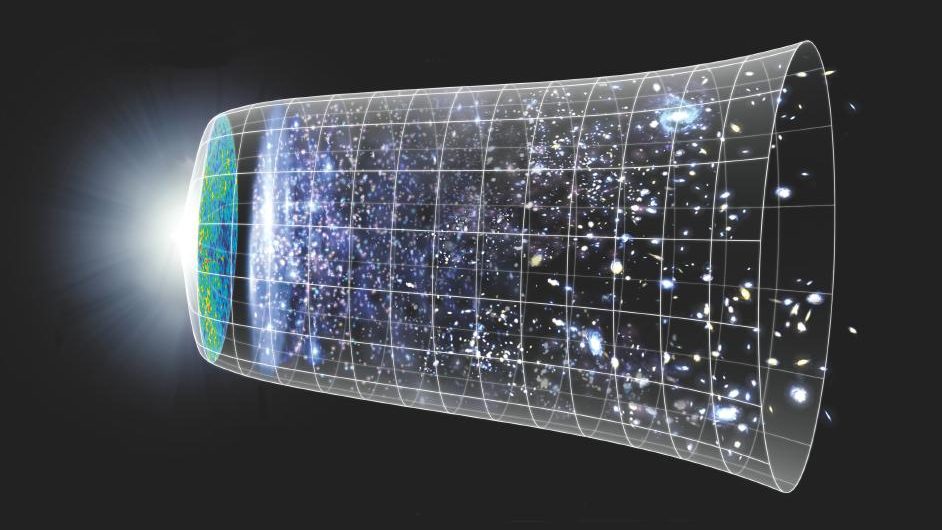
From before the Big Bang to the present day, the Universe goes through many eras. Dark energy heralds the final one.
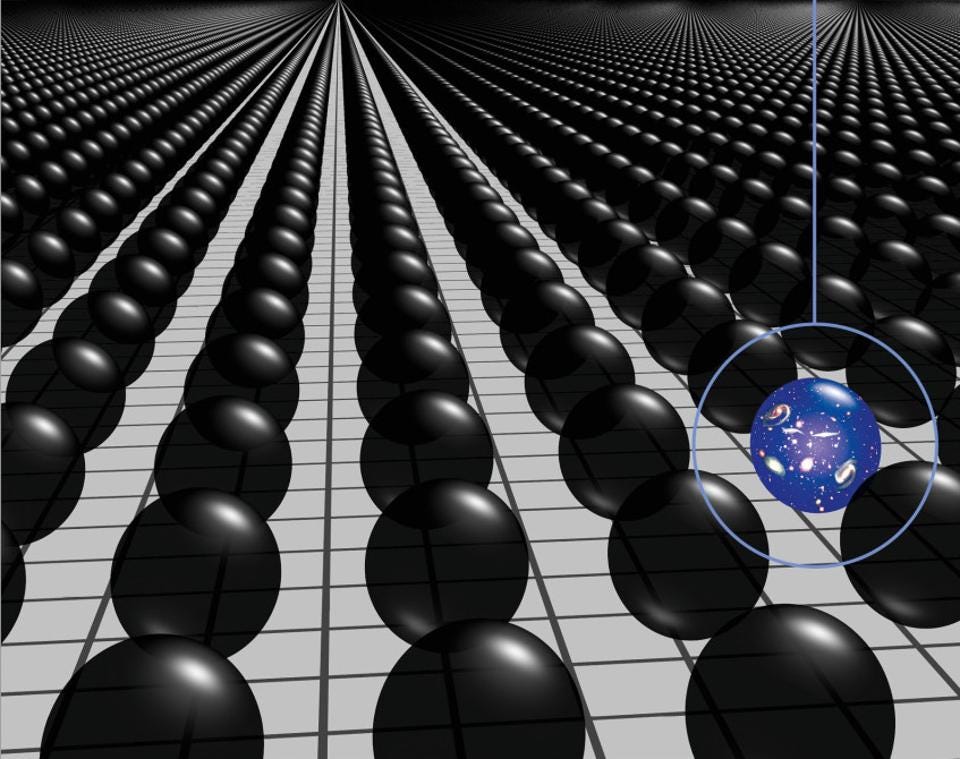
A wild, compelling idea without a direct, practical test, the Multiverse is highly controversial. But its supporting pillars sure are stable.

The surface and atmosphere is colored by ferric oxides. Beneath a very thin layer, mere millimeters deep in places, it’s not red anymore.
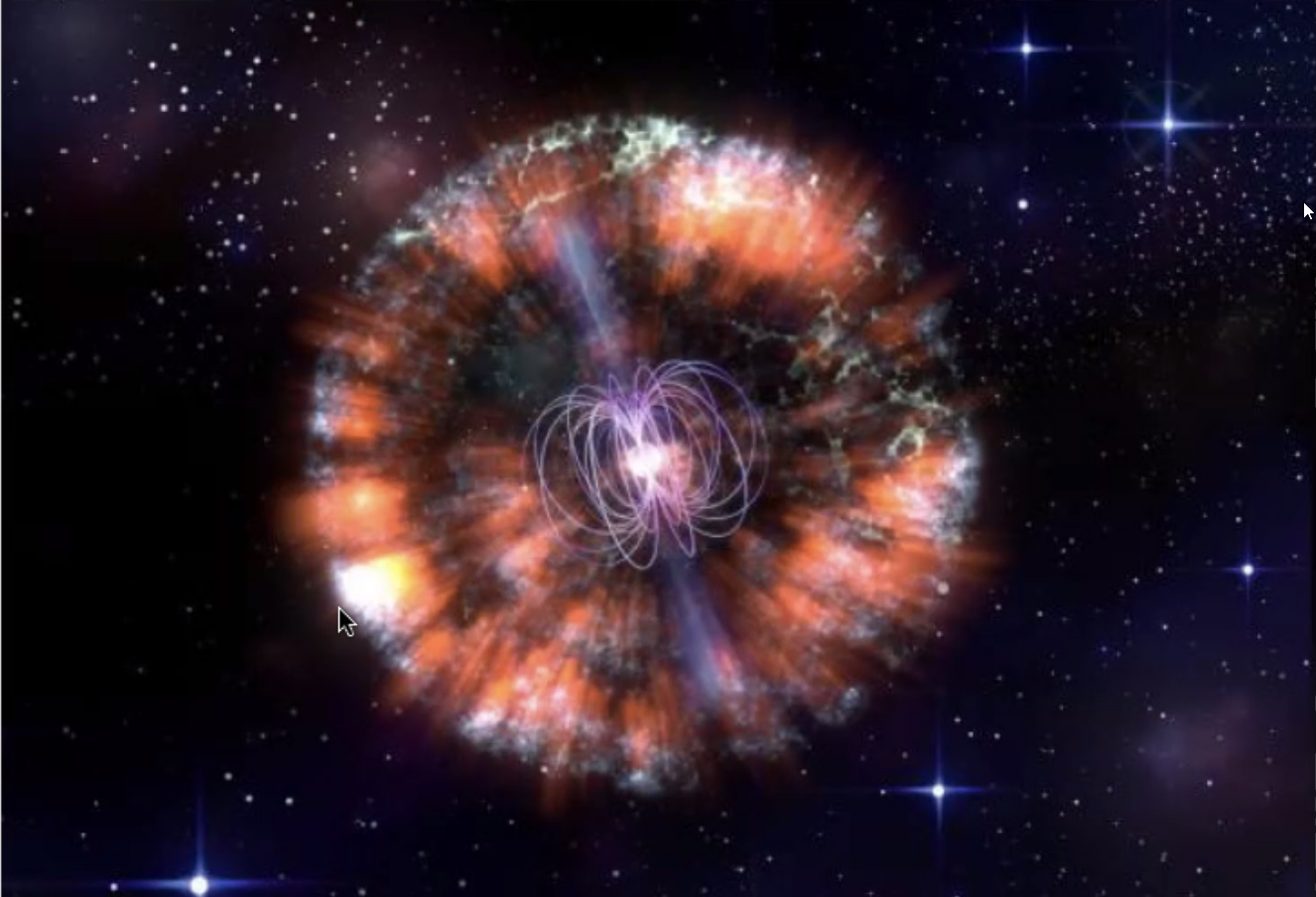
The first supernova ever discovered through its X-rays has an enormously powerful engine at its core. It’s unlike anything ever seen.
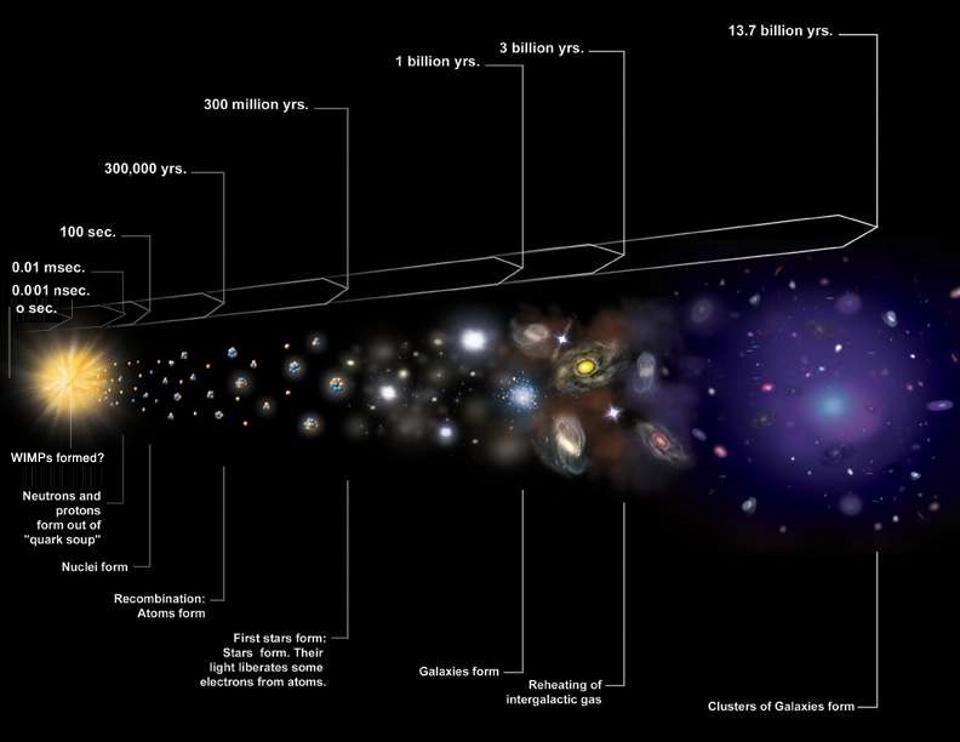
Just 13.8 billion years after the hot Big Bang, we can see 46.1 billion light-years away in all directions. Doesn’t that violate…something?
All Stories

Many view the development of fringe, alternative theories as a useless waste of time. But when they can be tested, it shows what reality is.

With unprecedented resolution, wavelength sensitivity, and light-gathering power, JWST reveals our cosmos like no other observatory ever.

Gravitational lenses arise when foreground masses and background light sources properly align. Einstein rings are rare, but crosses abound.
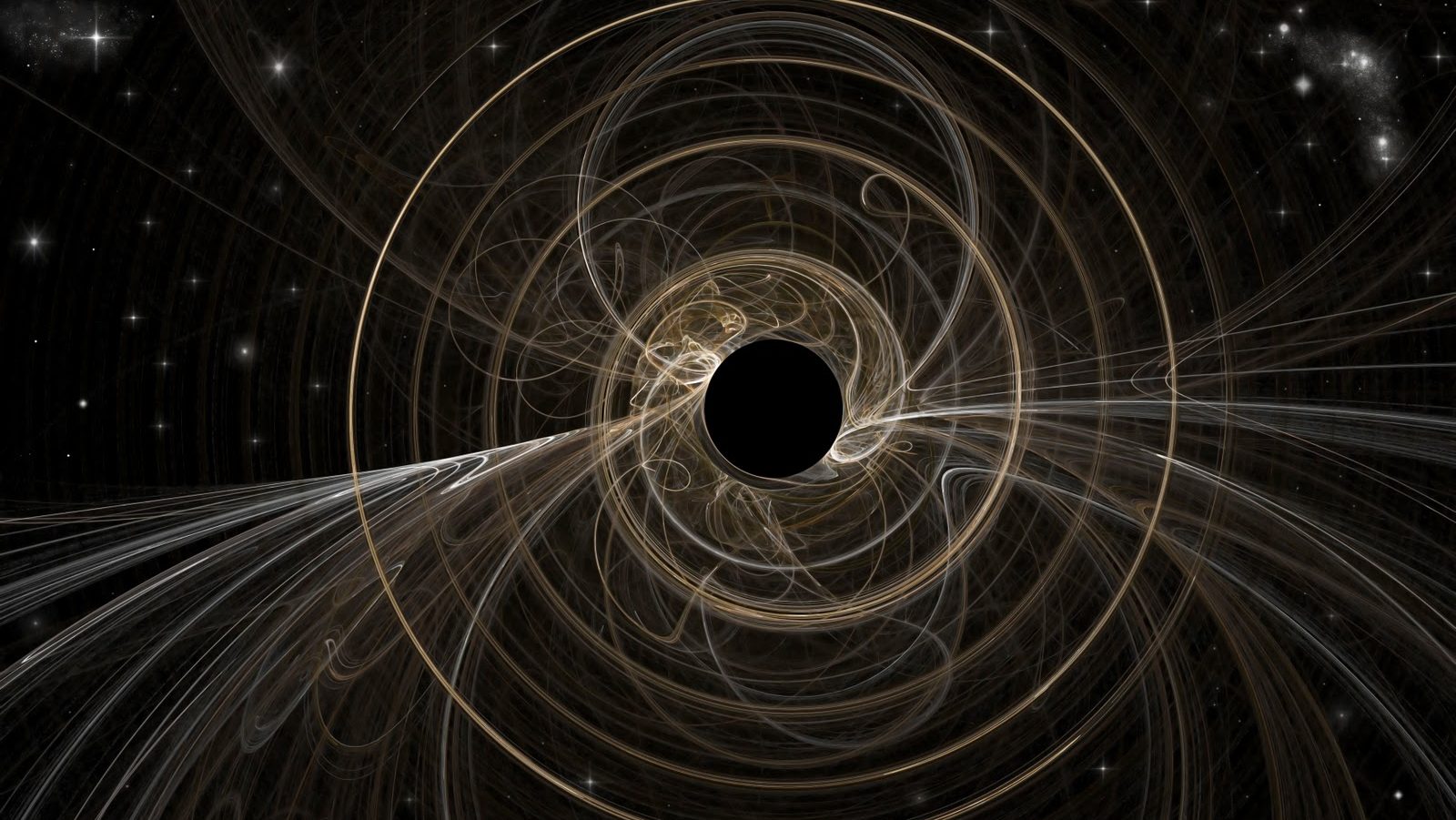
It’s not about particle-antiparticle pairs falling into or escaping from a black hole. A deeper explanation alters our view of reality.

The VENUS survey isn’t about planets at all, but about finding multiply-lensed supernovae. The ambition? To save the expanding Universe.

US science is worth fighting for, but so are the science projects and scientists denied opportunities. Here are 4 paths all worth exploring.

Back in 1604, Johannes Kepler discovered the Milky Way’s last naked-eye supernova. Here’s how NASA’s Chandra sees it over the 21st century.

The seeds of cosmic structure that were planted back during the Big Bang grew into the cosmic web we see today. What is it telling us?

When objects are gravitationally bound, they cannot escape from one another’s influence. How does that work within the expanding Universe?

Travel half the distance to your destination, and there’s always another half to go. So how do you eventually arrive? That’s Zeno’s Paradox.

Even the youngest galaxies are often dust-rich, even with very low levels of heavy elements. Nearby dwarf galaxy Sextans A explains why.

Astronomers have found starless gas clouds before, but Cloud 9 might be the most pristine one of all, with big lessons for cosmic history.

In a galaxy less than 300 million years after the Big Bang, oxygen’s presence abounds. That’s expected; its absence would truly be profound.
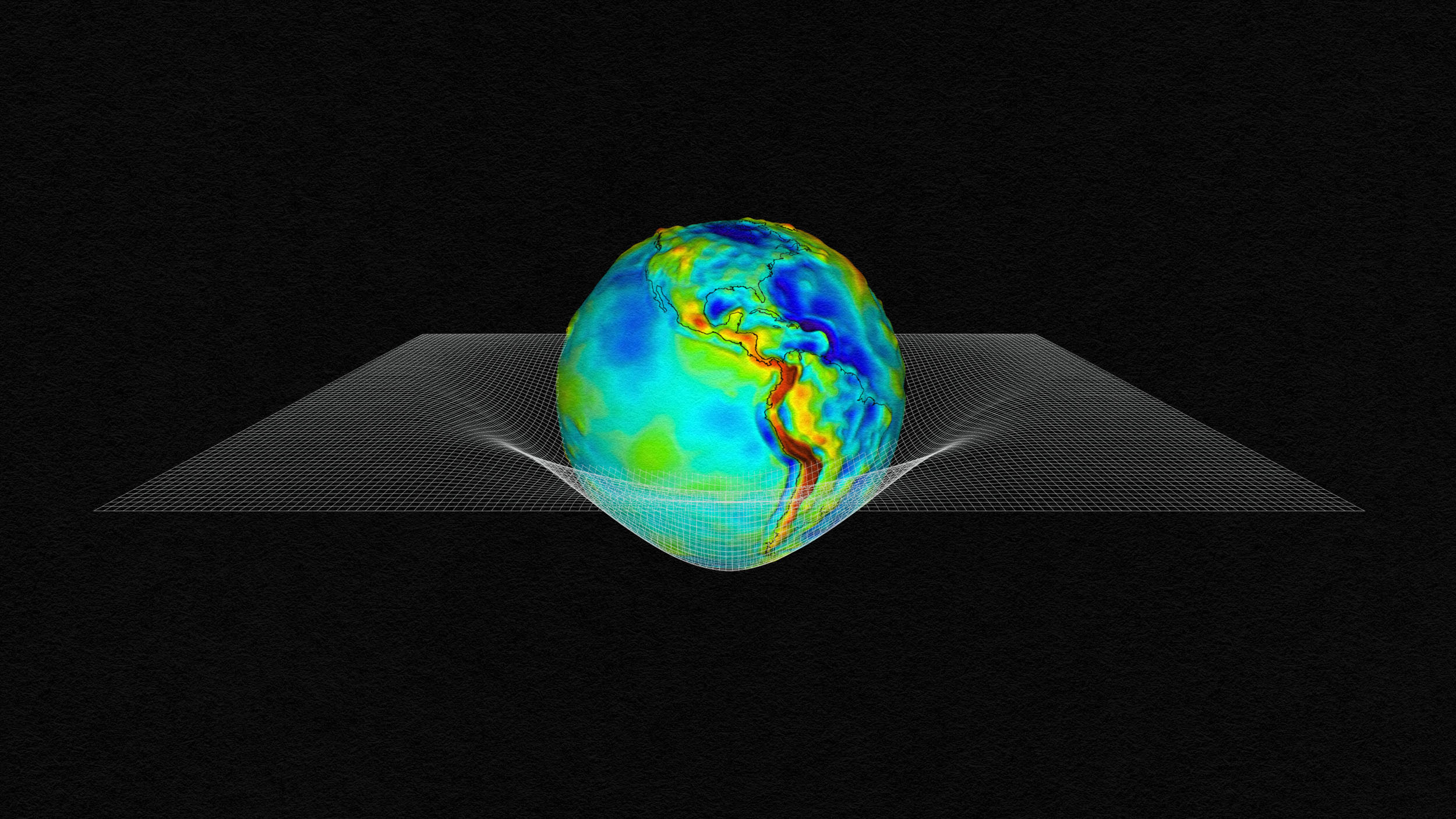
In general relativity, matter and energy curve spacetime, which we experience as gravity. Why can’t there be an “antigravity” force?
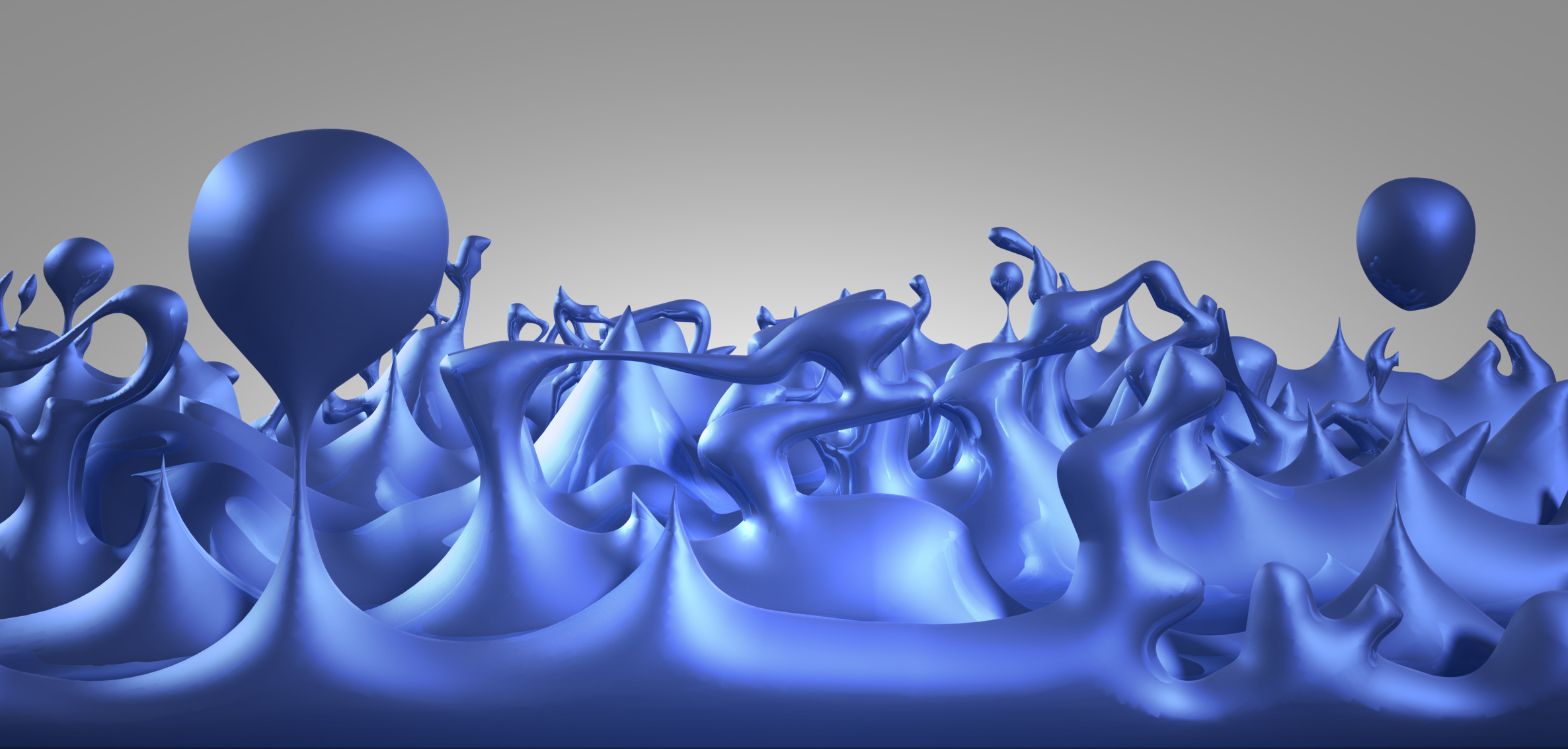
The very word “quantum” makes people’s imaginations run wild. But chances are you’ve fallen for at least one of these myths.
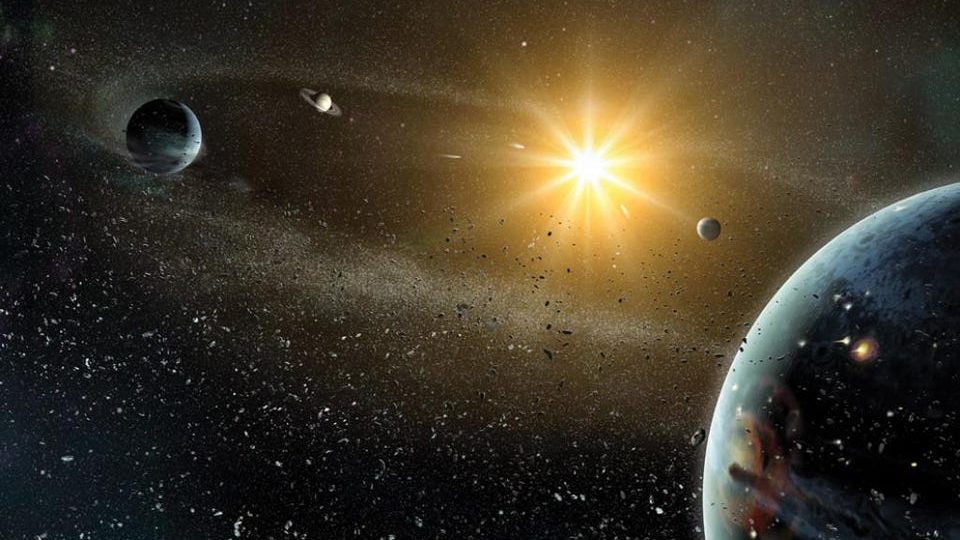
There will always be “wolf-criers” whose claims wither under scrutiny. But aliens are certainly out there, if science dares to find them.

Particles are everywhere, including particles from space that stream through the human body. Here’s how they prove Einstein’s relativity.
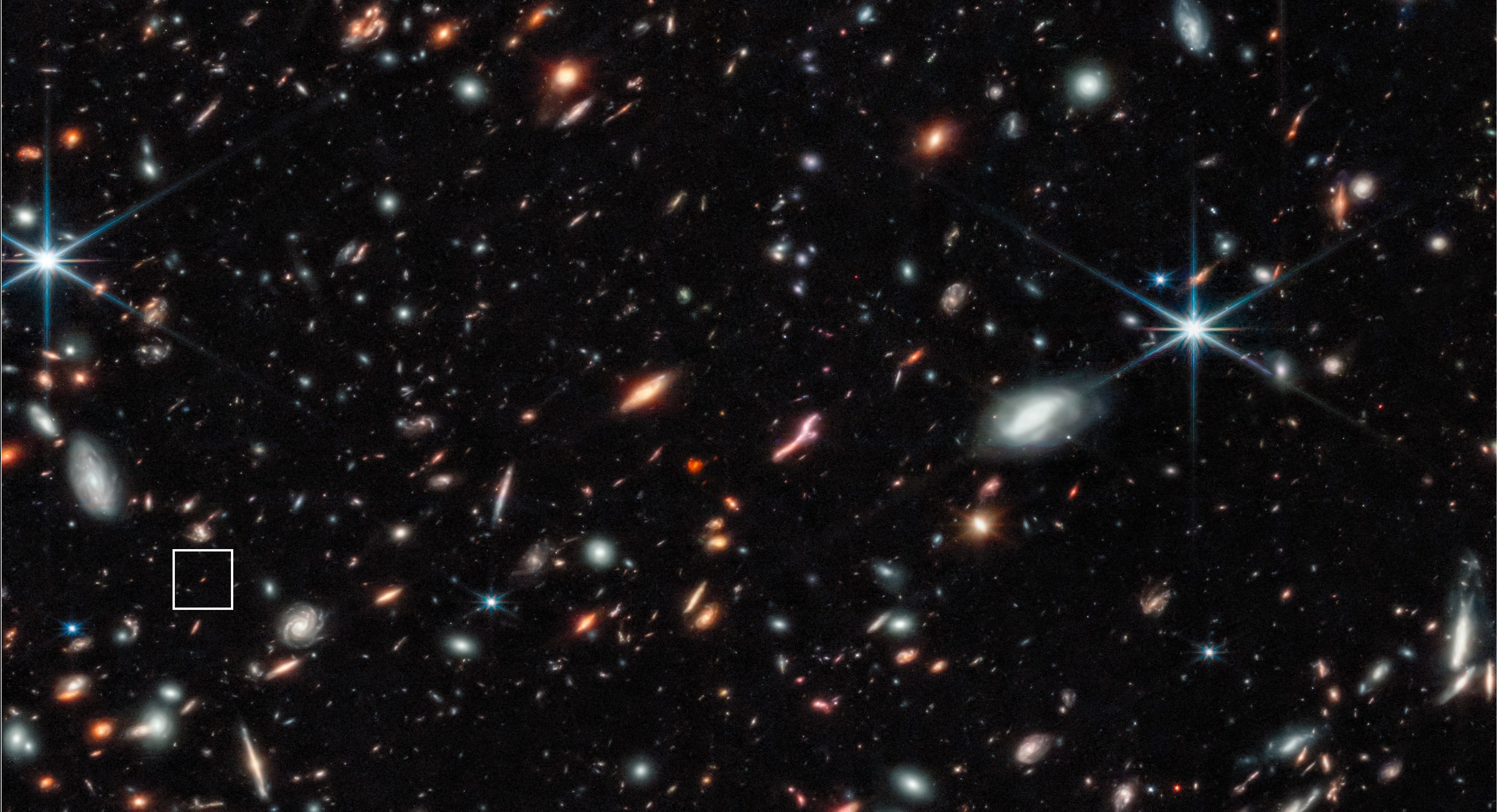
If you can identify a foreground star, the spike patterns are a dead giveaway as to whether it’s a JWST image or any other observatory.
Perhaps the most remarkable fact about the Universe is simply that it, and everything in it, exists. But what’s the reason why?
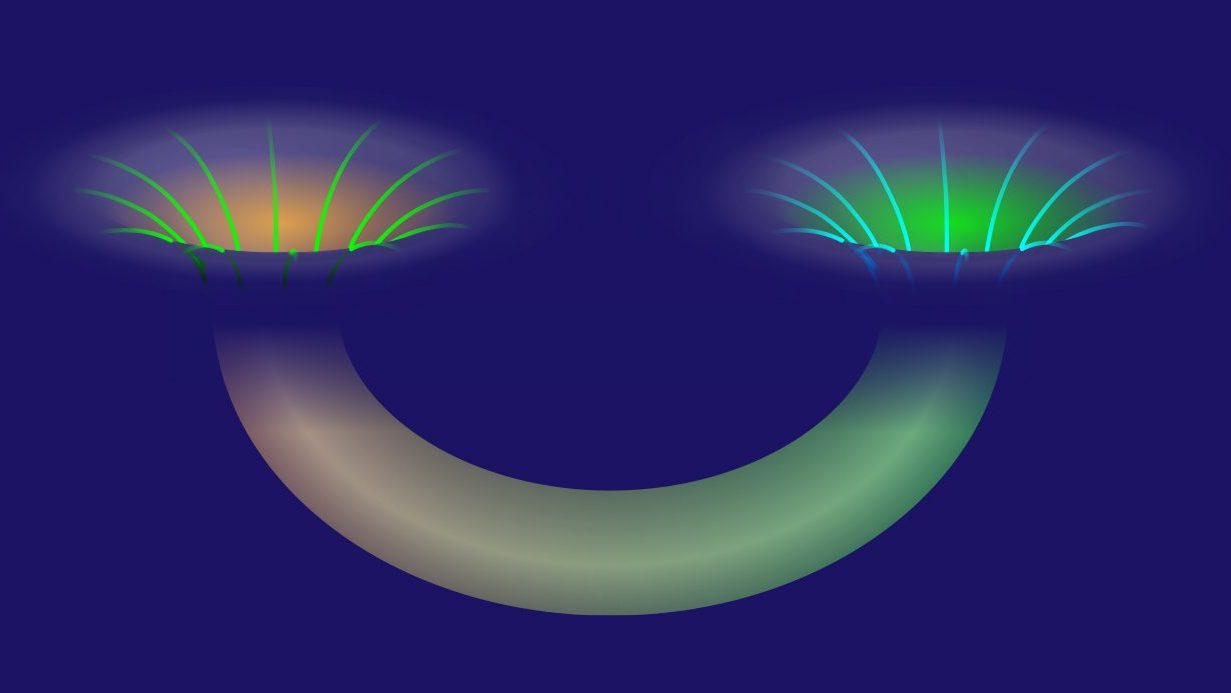
We think of physical reality as what objectively exists, independent of any observer. But relativity and quantum physics say otherwise.